If you thought the golden era of analog supercars was gone, think again. Pininfarina and JAS Motorsport just brought it back with a stunning reboot of the Honda NSX—and it’s everything enthusiasts have been asking for.
A design that evolves the legend
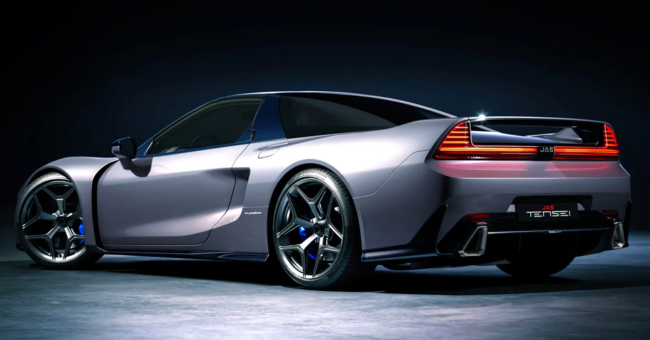
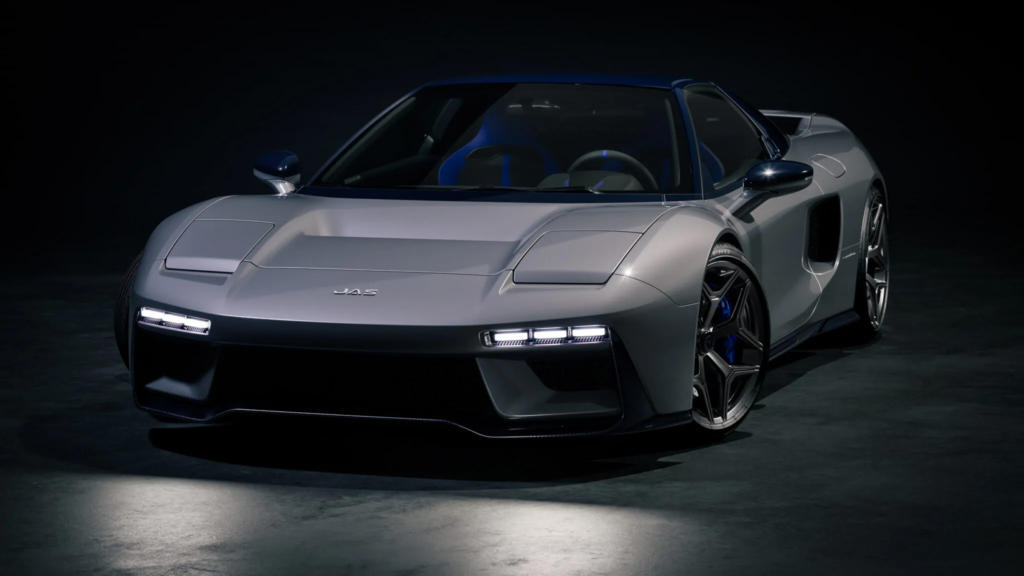
Called the Tensei, this restomod reimagines the original NSX with more aggressive proportions:
- Wider track
- Lower stance
- Longer wheelbase
- Shorter rear overhang
The result is a much more muscular and planted look. Pininfarina’s signature design language is all over it, with sculpted rear fenders and bold lines that echo icons like the Ferrari 288 GTO.
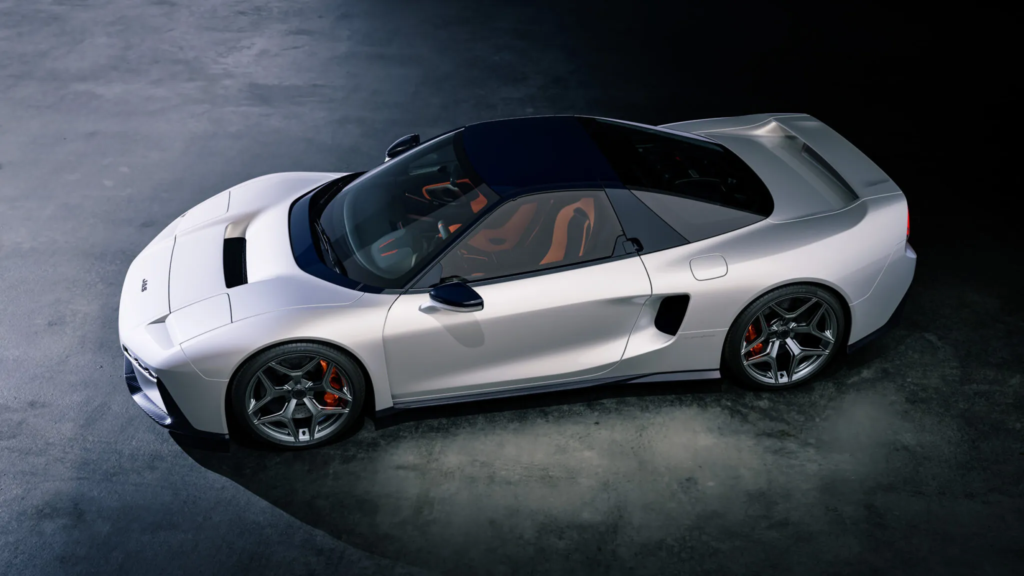
Despite the transformation, key elements remain—pop-up headlights, the integrated rear spoiler, and the unmistakable NSX silhouette.
No turbo, No hybrid… Just pure driving
Here’s where things get even more exciting.
Under the hood sits a naturally aspirated V6, inspired by the original engine but reworked for more performance and responsiveness. And yes, it’s paired with a six-speed manual gearbox.
No turbochargers.
No electrification.
No paddle shifters.
Just pure mechanical connection—the way driving was meant to feel.
A Driver-Focused interior
While images haven’t been revealed yet, Pininfarina promises a cockpit that stays true to the original NSX philosophy: driver-first ergonomics and excellent visibility.
Expect premium materials, bespoke controls, and—hopefully—analog gauges instead of full digital screens.
A Project rooted in history
This collaboration goes deeper than design. Pininfarina and Honda have history, dating back to the 1984 HP-X concept—a car that essentially previewed the NSX years before it launched.
Now, decades later, that connection comes full circle.
Built by hand, For the few
The Tensei will be hand-built in Italy by JAS Motorsport, with customization handled by Pininfarina.
Full details, including pricing and production numbers, are expected later in 2026.
Bottom line : The NSX Tensei isn’t just a restomod—it’s a statement. In a world of electrification and automation, it brings driving back to its raw, emotional roots.